
04 Sep Anesthesia for Pet Dental Cleanings & Other Procedures: What Pet Owners Should Know
As a board-certified veterinary dentist, one of the most common questions I hear from pet owners is: “Does my pet really need anesthesia for dental cleanings?” It’s an understandable concern—after all, the idea of anesthesia can be stressful. However, the truth is, anesthesia for pet dental cleanings and other dental procedures is not only safe in the hands of a skilled veterinary team, it is also essential for effective diagnosis, treatment and overall long-term pet oral health.
Why Anesthesia Is Necessary for Dental Care
Unlike humans, pets cannot understand why we are performing an oral examination, cleaning their teeth, taking x-rays or cone beam CT scans, or repairing dental problems. Without anesthesia, it would be impossible to safely and thoroughly perform these procedures. Anesthesia allows us to:
- Take full-mouth dental x-rays – Over 60% of a pet’s tooth structure lies below the gumline, invisible without imaging.
- Perform cone beam computed tomography (CBCT) scan – This technology has become common place for veterinary dental specialty clinics and is often replacing full mouth dental x-rays. CBCT provides complete imaging in 3D and provides far greater detail for tooth and bone structures compared to dental X-rays. CBCT scans are also faster to perform than full-mouth dental rays, thus decreasing the time your pet is under anesthesia.
- Perform a complete oral exam – We can carefully probe and check every tooth for disease.
- Provide a stress-free experience – Your pet remains calm and pain-free throughout the procedure. This is simply not possible without anesthesia.
- Safely scale and polish teeth – We can clean under the gumline, where dental disease begins, without causing discomfort.
- Oral Surgery – Obviously, no pet will hold still for a tooth extraction or periodontal surgery, and it would be inhumane to try.
Simply scraping tartar from the surface while a pet is awake may improve appearance, but it does nothing to address hidden disease and can even cause harm.
Addressing Safety Concerns
Modern veterinary anesthesia is very safe, especially when performed by experienced veterinarians and technicians using advanced monitoring equipment. At our hospital, every pet undergoing anesthesia for pet dental cleanings receives:
- A pre-anesthetic exam and lab work to screen for underlying conditions.
- An individualized anesthesia plan tailored to age, breed, and health status.
- Advanced monitoring of heart rate, blood pressure, oxygen, and temperature throughout the procedure.
- Pain management to ensure comfort during and after the cleaning or surgery.
These safeguards greatly reduce risks and ensure that your pet’s safety is always our highest priority.
Animal Dental Care and Oral Surgery is proud to be a founding member hospital of My Anesthesiologist. This is a group of board-certified veterinary anesthesiologists who work with clinics in our practice group. Our anesthesiologists will create an individualized anesthetic protocol for a pet, round with our team members prior to the surgery, and then sign on to our monitoring equipment for a livestream feed during the procedure. An open phone line is kept with our anesthesia technician throughout the entire time your pet is under anesthesia and during the recovery.
At our clinic, we set a minimum standard of care of three dedicated personnel for each pet. This includes a dental assistant, a certified veterinary technician (CVT) for anesthesia monitoring, and a veterinary dentist. When we include My Anesthesiologist on the case, there are four dedicated professionals with the singular focus of your pet’s well-being.
Beyond Dental Cleanings
Anesthesia isn’t just important for dental cleanings. It is also critical for:
- Tooth extractions when painful fractures or severe periodontal disease are present.
- Oral surgery for tumors, jaw fractures, or other conditions.
- Advanced imaging, like CT scans, to diagnose hidden disease.
In each of these cases, anesthesia allows us to perform precise, pain-free procedures that would otherwise be impossible.
Senior Pets Need Anesthesia Too!
Contrary to what many pet owners or even veterinarians may think, their pets are not too old for an anesthetic procedure. If anything, senior pets are the dogs and cats that need anesthesia and oral surgery procedures the most. While old age is not a disease, it does carry added concerns, especially when pets are dealing with other issues, such as heart or kidney disease, outside the oral cavity. Again, each patient at Animal Dental Care and Oral Surgery is treated as an individual with anesthetic protocols tailored specifically for them. Performed properly, a 13-year-old dog can be just as good an anesthetic candidate for a procedure as a 3-year-old dog.
The Bottom Line
If your veterinarian recommends anesthesia for pet dental cleanings or another procedure, know that it is not only safe, it’s essential for truly protecting your pet’s oral health. Far from being a risk to avoid, anesthesia is the tool that makes effective veterinary dentistry possible.
By trusting a board-certified veterinary dentist and a highly trained team, you can feel confident that your pet is receiving the safest and most thorough care.
If you are a Colorado pet owner, feel free to reach out to our team in Colorado Springs to schedule a consultation for your pet today. We can be reached at (719)536-9949 or info@wellpets.com
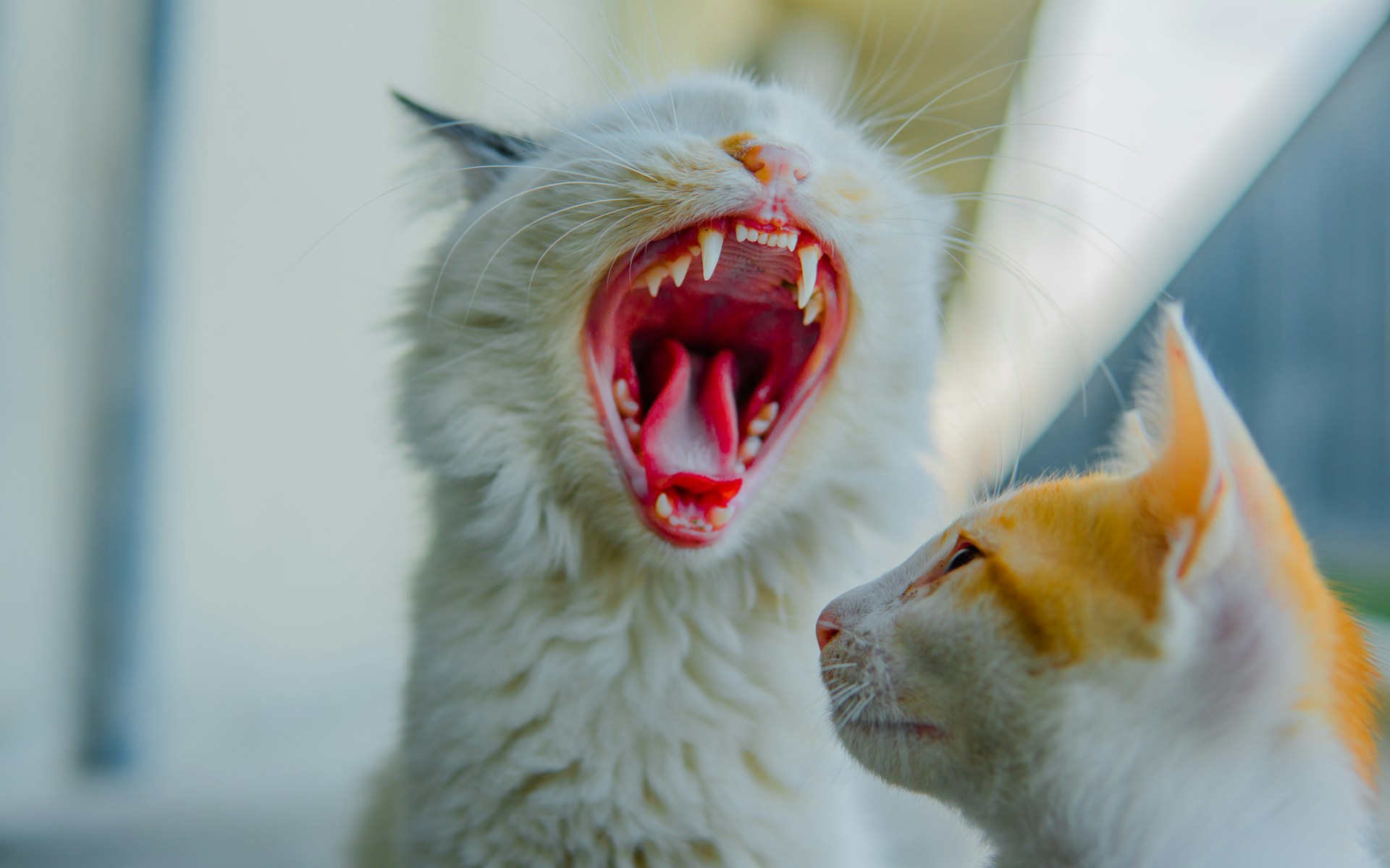
Images used under creative commons license – commercial use (09/04/2025) Photo by Lino Jacob on Unsplash